
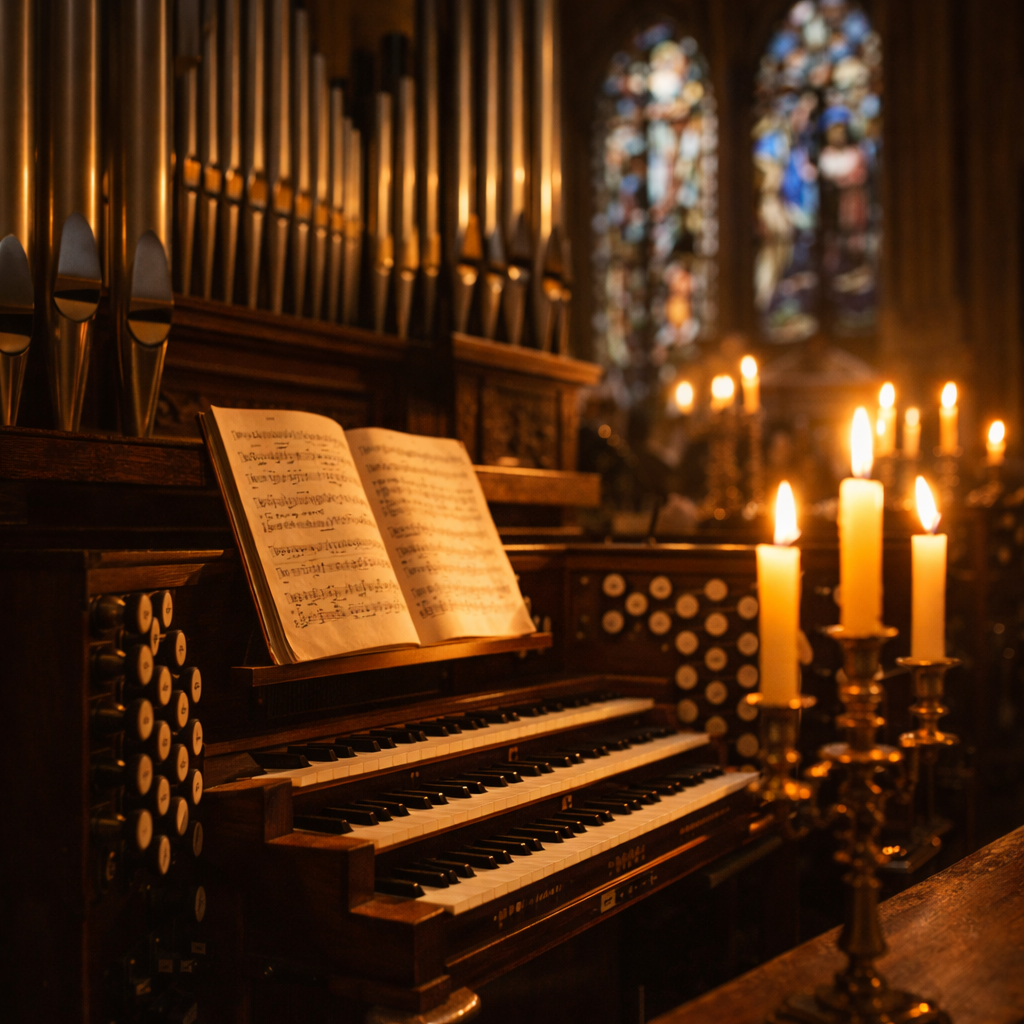
Sacred prompts can make the difference between a broad cinematic sketch and a piece that actually feels reverent, weight-bearing, and spiritually focused. We tested different sacred prompt structures for Suno and found that generic one-line inputs usually lead to weaker atmosphere, less formal control, and textures that feel too modern or too vague. More detailed genre prompts performed much better and gave us more consistent results.
That is why sacred prompts matter so much. In this area, the difference is not just instrumentation. It is the combination of sacred pacing, liturgical gravity, choir behavior, organ foundation, phrase shape, and ceremonial restraint. If a prompt does not guide those details properly, the result often sounds generic instead of devotional.
We tested different prompt styles and compared the outcomes against broad generic inputs. The stronger results came from prompts that guided BPM, key or mode, sacred choral or orchestral direction, choir texture or text feel, organ role, harmonic color, phrase design, tonal shaping, stereo balance, reverb space, signature details, micro-tension, structure flow, and master targets. Those details helped the pieces feel more solemn, more intentional, and much closer to studio-quality outcomes.
Most weak sacred AI prompts fail for the same reason: they only describe mood words like “holy,” “church,” or “spiritual,” but they do not control the deeper parts that shape authentic outcomes. In our tests, the best sacred prompts created stronger ceremonial pacing, clearer choir handling, more believable organ support, richer harmonic gravity, and more professional arrangement flow.
Our approach is built for Suno only and designed around studio-quality outcomes rather than generic AI loops. These prompts are structured to create more reverent atmosphere, stronger liturgical shape, and more refined sacred results.
What Is Included in a Stronger Sacred Prompt Structure?
BPM direction
Key or mode direction
Sacred choral, orchestral, or hymn direction
Choir texture or text-feel behavior
Organ role and support foundation
Strings, winds, brass, or low-end support layers
Phrase design and ceremonial pacing
Harmony color and cadence gravity
Tonal balance and reverb space
Stereo placement
Signature detail
Micro-tension detail
Structure layout
Master targets
These are the elements that consistently made the outputs sound more reverent, more controlled, and more professionally shaped in our testing.
If you want more advanced sacred prompts with more detail, stronger liturgical atmosphere, and more polished Suno-only results, this is the next step.
Earn extra money on Freecash with no upfront cost
Freecash is an affiliate link. We may earn a commission at no extra cost to you. New users may receive a sign-up bonus depending on the current offer, country, or code. It’s pocket money, but it can easily get you an expert pack on Etsy.
Want to explore more Sacred prompt ideas? Read the full Sacred guide on AI Music Prompts.